
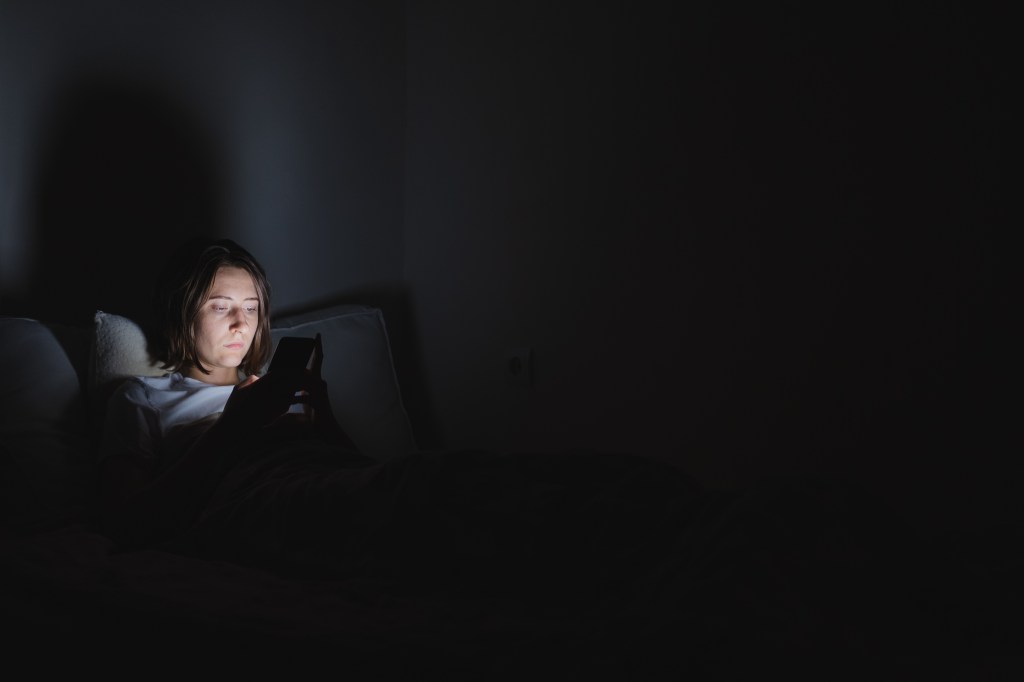
Anxiety and panic are among the most common difficulties I see in my clinical practice. They can affect people at any stage of life and often arrive at times of change, stress or uncertainty, sometimes gradually, and sometimes quite suddenly. Many people describe a constant undercurrent of worry that feels difficult to switch off. Others experience acute panic attacks, strong waves of fear accompanied by physical symptoms such as a racing heart, shortness of breath, dizziness or a sense of losing control. These experiences can be frightening and deeply unsettling.
If you are living with anxiety or panic, it can begin to shape daily life. You might avoid certain situations, feel on edge much of the time, struggle with sleep, or become overly self-critical about not “coping better.” Over time, confidence can diminish and the world may start to feel smaller.
In my experience, anxiety is rarely random. While it can feel overwhelming, it often has understandable roots. It may be linked to past experiences, long-term stress, high levels of responsibility, health concerns, relationship difficulties or periods of transition. Panic, in particular, can develop when the nervous system has been under sustained strain.
Part of our work together involves gently understanding what your anxiety is communicating. Rather than trying simply to suppress symptoms, we explore the underlying pressures, patterns and emotional experiences that may be contributing to it. I draw on a range of therapeutic approaches depending on your needs. Some people benefit from learning practical strategies to regulate anxiety in the moment, such as grounding techniques and understanding how the body’s stress response works. Others need space to explore deeper themes, including perfectionism, fear of failure, unresolved experiences or difficulties with boundaries.
Often, it is a combination of both.
Therapy provides a calm, confidential and non-judgemental environment where you do not have to manage everything alone. Many people tell me that simply being able to speak openly about their anxiety, without minimising it or feeling embarrassed, brings a sense of relief.
Living with anxiety can be exhausting, particularly if you are used to appearing capable and composed to others. Seeking support is not a sign of weakness; it is a helpful step towards understanding yourself more fully.
Anxiety and panic are treatable. With experienced, compassionate support, it is possible to regain steadiness, expand your world again and feel more at ease within yourself.
